
Summary
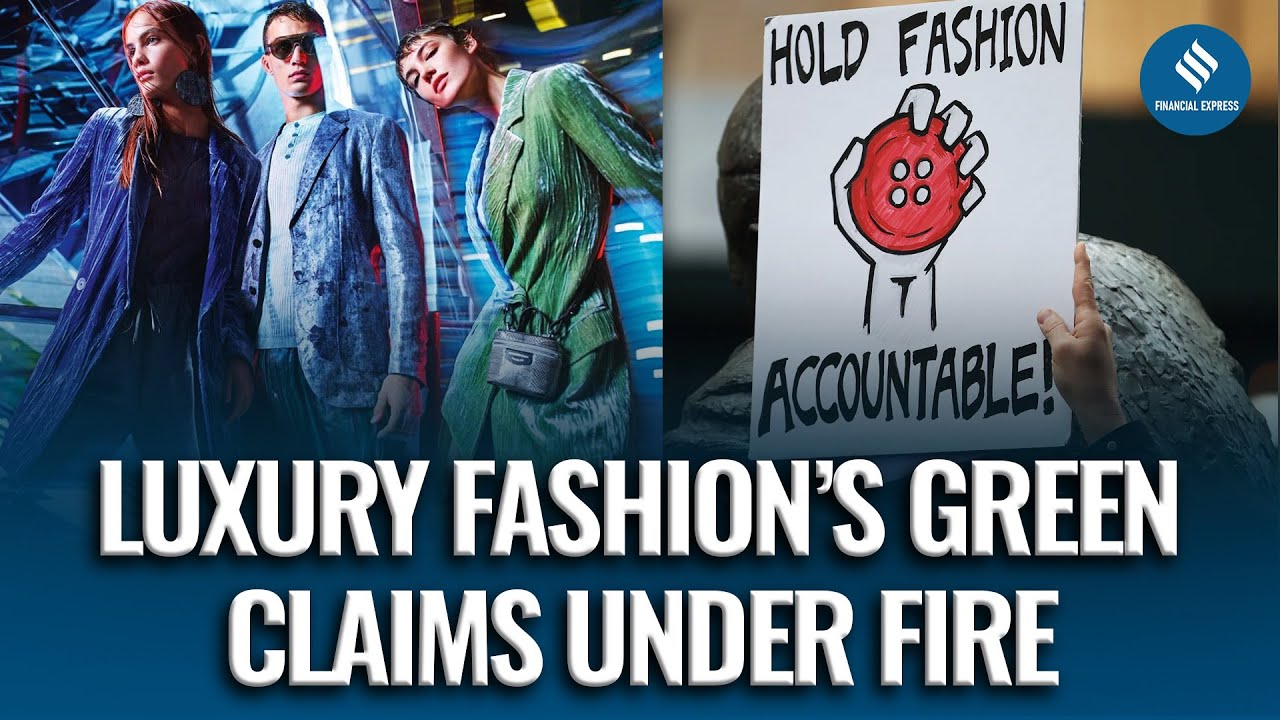
In a stark 2025 report, **Eco-Business** identified **20 major brands** engaging in a sophisticated form of deception termed **'greenrinsing'**. This tactic involves companies setting highly ambitious **net-zero targets** primarily to attract investor capital, rather than genuine commitment to environmental sustainability. The report highlights how these targets, often announced with significant fanfare, mask a lack of concrete action or even a rollback of existing environmental initiatives. This practice raises serious questions about corporate accountability and the efficacy of current sustainability reporting frameworks, potentially misleading consumers and investors alike. The identified brands span various sectors, underscoring the pervasive nature of this issue across the global economy.
Key Takeaways
- A new form of greenwashing, 'greenrinsing', has been identified in 2025.
- This tactic involves setting ambitious net-zero targets primarily to attract investors.
- Eco-Business reported on 20 brands allegedly engaging in this practice.
- The practice exploits investor demand for sustainable investments.
- It raises concerns about corporate accountability and the effectiveness of climate targets.
Balanced Perspective
The **Eco-Business** report details a specific alleged form of greenwashing, **'greenrinsing'**, where **20 brands** are accused of using ambitious net-zero targets as a financial strategy. The report defines this as setting targets to attract investment without commensurate action. While the report names the brands, the extent of their actual commitment or the specific mechanisms of their alleged deception are subject to further investigation and verification by regulatory bodies and independent auditors. The long-term impact depends on how these accusations are addressed by the implicated companies and the market.
Optimistic View
The identification of these **20 brands** by **Eco-Business** is a crucial step towards greater transparency. This public naming and shaming, coupled with the emergence of terms like **'greenrinsing'**, signals a growing intolerance for corporate greenwashing. It empowers investors and consumers to demand genuine environmental action, potentially driving a market correction where truly sustainable companies are rewarded, and deceptive ones are penalized. This increased scrutiny could accelerate the transition to a genuinely circular economy.
Critical View
The emergence of **'greenrinsing'** as described by **Eco-Business** suggests that corporate environmental claims are becoming even more sophisticated and harder to detect. If **20 brands** are already employing this tactic, it implies a systemic issue where financial incentives for appearing green outweigh the risks of genuine environmental stewardship. This could lead to widespread investor disillusionment, a slowdown in meaningful climate action, and a further erosion of public trust in corporate sustainability efforts, particularly as the urgency of the [[climate-crisis|climate crisis]] intensifies.
Source
Originally reported by Eco-Business